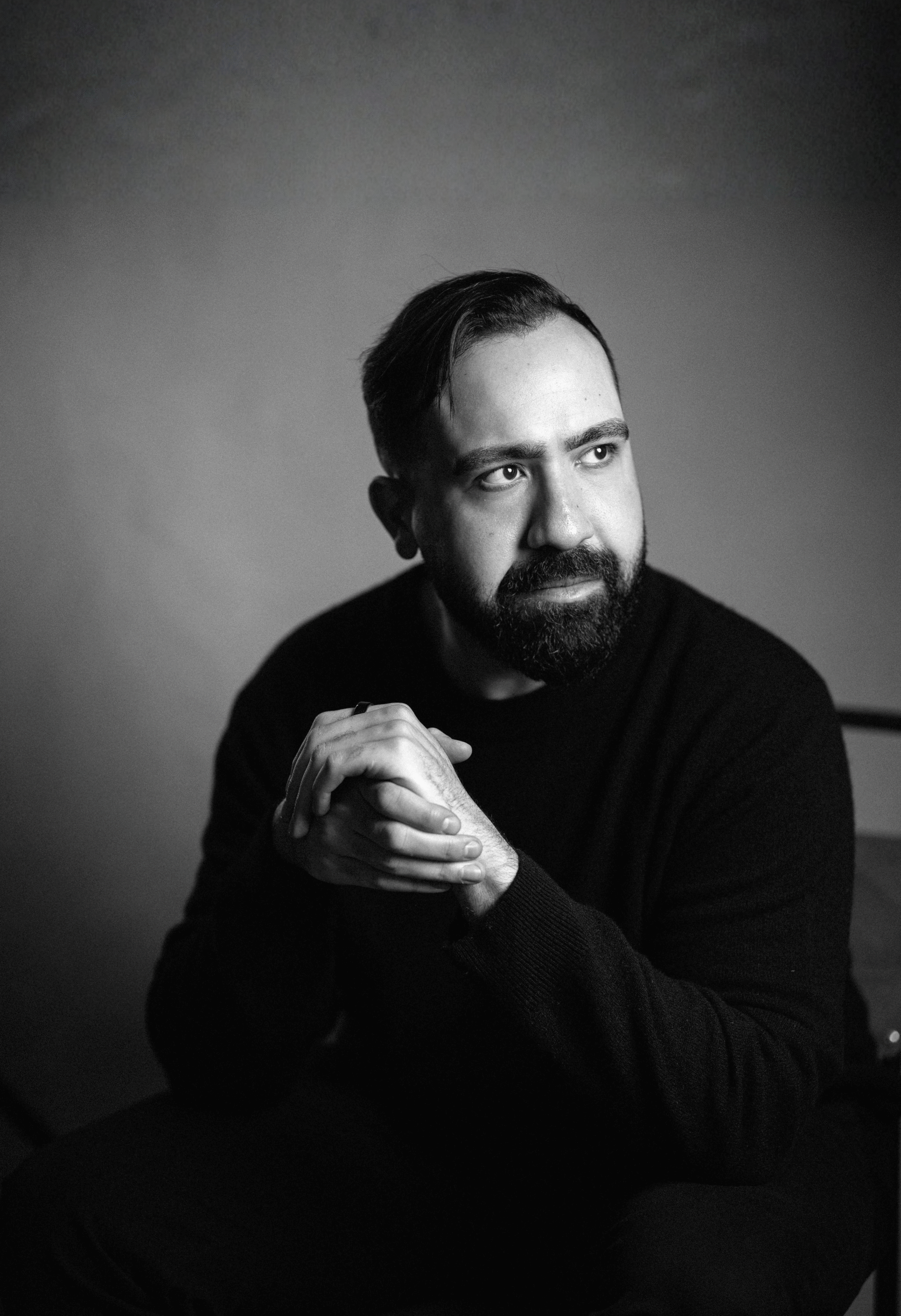
Mohamed Hesham Khalil is the theorist of Neurosustainability, exploring how the built environment can sustain brain health through neuroplasticity. His PhD at the University of Cambridge, funded by the Cambridge Trust and the Jameel Education Foundation, has produced 25 peer-reviewed publications across neuroscience, architecture, and public health, with an h-index of 12.
His research has been covered by Forbes among 49+ outlets across 15 countries.
Listen to the final episode of the Neurosustainability mini-series, led by Mohamed, featuring Prof. Agustín Ibáñez and Dr Burcin Ikiz, which was shortlisted for Best Limited Series at the Publisher Podcast Awards: Spotify | Apple Podcasts
Read Mohamed’s latest article in Nature Portfolio’s npj Urban Sustainability journal: Urban design for neurosustainability to support the SDGs towards 2050.
Currently, Mohamed is collaborating with the Spatial Cognition Lab at UCL on fMRI studies of architectural experience with Prof. Hugo Spiers and colleagues, and with the MRC Epidemiology Unit at Cambridge on built environment and public health biomarkers.
In addition to being a recurring guest lecturer at the University of Cambridge, Mohamed serves as a peer reviewer for Nature portfolio’s Scientific Reports, npj Aging, and npj Science of Learning; Elsevier’s Environmental Research, Building and Environment, Cities, and Brain and Environment journals; and Frontiers in Neuroscience and Frontiers in Aging Neuroscience, among others. He is also a leading guest editor for a special issue in Frontiers in Human Neuroscience in progress.
For collaborations, speech bookings, or to work together, get in touch by sending an email to: mhmhk2@cam.ac.uk